

Food Sources That Will Enhance Your Collagen Glow
19-11-2024
16:11
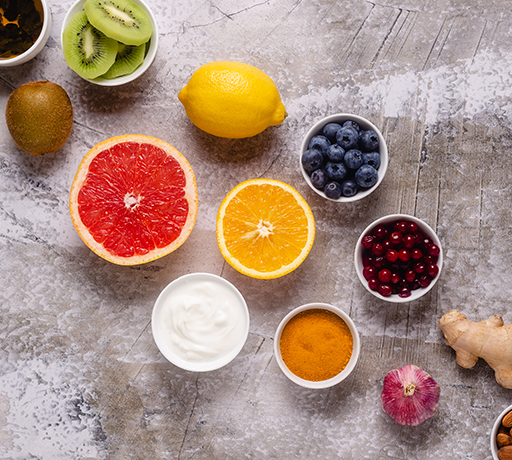
From skin elasticity to voluminous hair, from digestive health to tissue flexibility, your collagen supplement, a key supporter in every area, can become even more effective with the right foods and nutrients…
Introduction
Collagen, derived from the Greek words “Kolla” and “Gellao,” literally means the protein that produces the ‘glue’ holding the body together. Naturally accounting for one-third of the body's total protein, this valuable protein plays a vital role in both our overall health and our beauty radiance.
On the other hand, every step we take on our life journey means a decrease in natural collagen production. Fortunately, this is no longer a problem; because our COllAGEN UP products centered around VERISOL® branded hydrolyzed collagen peptides are here to help you experience your journey with timeless vitality.
In this article, we talk about the foods and nutrients that will help you maximize the transformative power of collagen supplements.
Leading Collagen Catalysts
Vitamin C: Vitamin C is not only an antioxidant that protects against free radical damage but also indispensable for the biosynthesis of Type I and Type III collagen, which notably decrease with age. Additionally, a study by Duke University, on which current research is based, shows that it helps convert amino acids called proline and lysine into collagen, stabilizing collagen mRNA. This increases collagen synthesis and the proliferation rate of fibroblasts (connective tissue cells producing collagen and elastin), which naturally decline with age.
Foods you can consume to support new collagen production and synthesis in your body with your supplement include green leafy vegetables (which, thanks to their sulfur content, enhance the effectiveness of Vitamin C), citrus fruits, red fruits like strawberries and blackberries, kiwi, mango, pineapple, and peppers.
Zinc: Zinc acts as a primer for collagen production by supporting collagen synthesis, strengthening the immune system, and aiding skin injury healing by signaling bone cells to produce collagen.
To ensure adequate zinc intake, you can include foods such as lean meats, nuts, seeds, shellfish, legumes, and soy products in your diet.
Copper: Copper is another essential mineral that supports collagen cross-linking, increasing the strength and elasticity of collagen fibers. It also supports the immune system and facilitates the production of red blood cells.
To increase your copper intake, consider adding organ meats, nuts, and seeds (such as cashew nuts, sunflower seeds, sesame seeds), mushrooms, and dark chocolate to your diet.
Amino Acids: The most important amino acids for collagen synthesis are proline, glycine, and lysine. After all, collagen is a protein and is broken down into amino acids. Consuming products containing proline, glycine, and lysine supports not only collagen absorption but also the body's overall protein production.
To include these three valuable amino acids in your diet, you can benefit from animal products such as egg whites, dairy products, lean meats, tuna, and salmon (which are high in omega-3), bone broth, poultry, and gelatin. Among plant-based foods, whole grains and legumes, tofu, tempeh, quinoa, nuts like almonds and walnuts, seaweed, garlic, and omega-rich avocado can be counted.
Digestive Supporters: Before collagen peptides enter the bloodstream, they are broken down into smaller peptides and amino acids in our gastrointestinal system. This enhances the bioavailability of collagen. Therefore, a healthy gastrointestinal system is essential to gain optimal benefit from collagen supplements and ensure healthy collagen stability. Key elements that strengthen this system include probiotics, prebiotics (fiber-rich nutrients that feed probiotics), and digestive enzymes.
Fermented foods such as yogurt, kefir, sauerkraut, kimchi, and kombucha are among the fundamental foods you can add to your diet to meet your probiotic needs.
Foods containing ‘inulin,’ a favorite prebiotic of probiotics, include dandelion, oats, apples, pumpkin, garlic, onions, and bananas.
Digestive enzymes play a vital role in breaking down proteins into absorbable amino acids. Including natural enzyme-rich foods such as pineapple, papaya, mango, honey, and ginger in your life can improve digestion and nutrient absorption, enhancing the effectiveness of your collagen supplements.
Experience the Difference with COllAGEN UP
At COllAGEN UP, our mission is to offer you collagen supplements synthesized with vitamins, minerals, and digestive aids that not only provide ease of use but also enhance the efficacy and bioavailability of our products.
For instance;
For instance;
- Our formula includes Bioactive Collagen Peptides®, which contain bovine collagen with a molecular size of 2kDa to optimize absorption rate into the bloodstream, i.e., bioavailability. The molecular structure of fish collagen is 5kDa.
- Our supplements consist of peptides and ingredients specifically targeting the physiological benefits you need, from skin rejuvenation to digestive health.
- Both our Liquid and Pro series contain essential companions like Vitamin C, copper, and zinc in every product, which promote collagen synthesis and bioavailability.
- COllAGEN UP Gold and Pro. Intense are enriched with ingredients such as Coenzyme Q10, Hyaluronic Acid, Glutathione, and Resveratrol, which provide extra benefits for your skin health.
- All forms of the Pro series (Pro.Dtx, Pro.Keratin, Pro.Intense) incorporate the symbiotic relationship of probiotics and prebiotics in their formula to help optimize your gastrointestinal health.
And many more…
If you wish for us to accompany you in your life journey as you wink at time without worries, let’s meet on our product page.